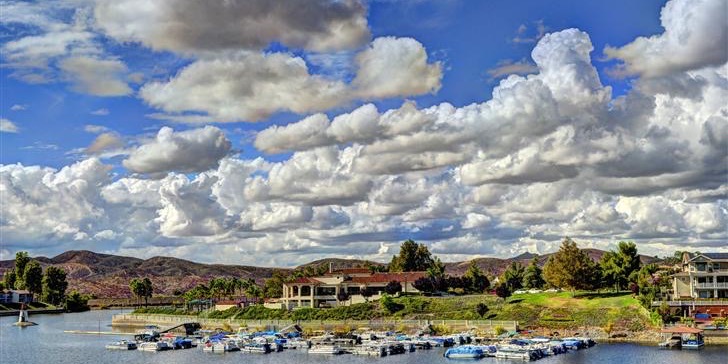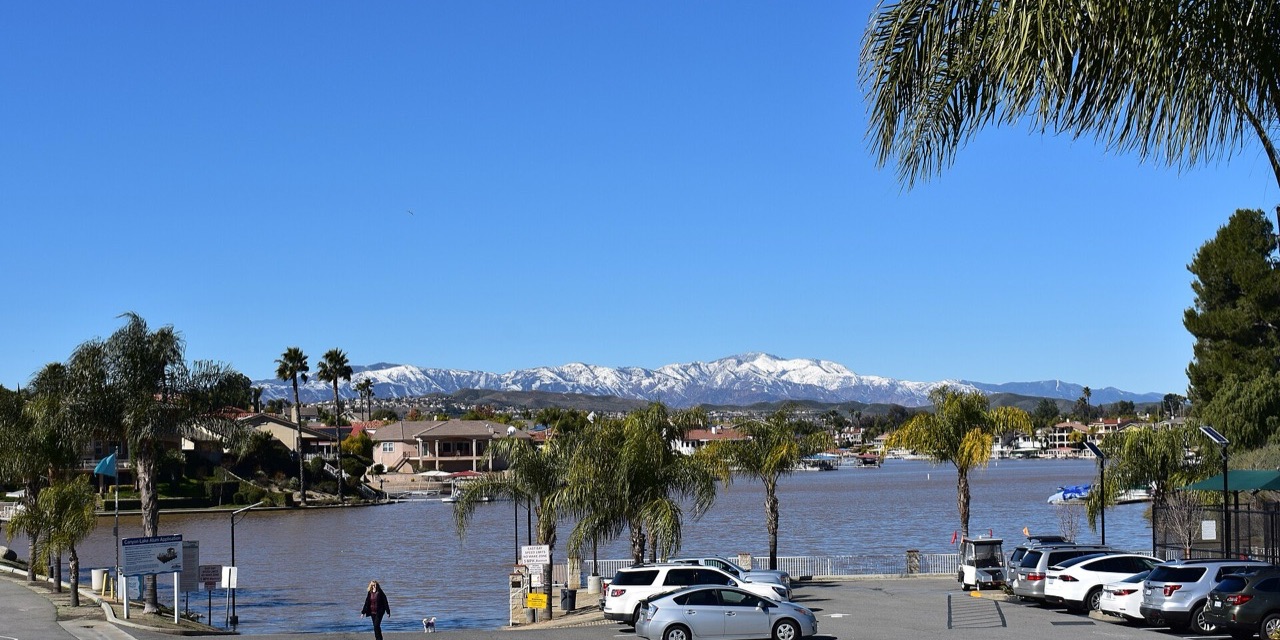
A boat on a private lake still needs real insurance. A boat policy can cover damage to the boat, motor and trailer, theft, and your liability if someone is hurt or another boat or dock is damaged. In Canyon Lake, where the boat might go out most weekends, it pays to set the policy up around how you actually use it.
Step 1: Gather the details
- Year, make, model and length of the boat
- Hull material and type: pontoon, ski boat, fishing boat, personal watercraft
- Engine type, make and horsepower
- The hull identification number
- What it is worth, and any upgrades: electronics, towers, covers
- The trailer, if you have one
Step 2: Tell us who drives it
List everyone who will operate the boat, with their boating experience and any safety courses. Teenagers who take the boat out with friends belong on this list too.
Step 3: Tell us where it lives
At your own dock, at a marina, on a trailer in the driveway, or in storage for part of the year. Where the boat spends its time affects what coverage makes sense.
Step 4: Check the lake’s own rules
Private lakes can have their own requirements for boats. Read your lake’s rules for boats and bring a copy when you talk to us, so the policy lines up with them.
Step 5: Talk through the coverage pieces
- Physical damage to the boat, motor and equipment
- Liability for injuries and property damage you cause on the water
- Uninsured boater coverage, if someone else causes an accident and has no coverage
- Medical payments for people aboard
- Trailer coverage
Step 6: Line it up with everything else
A boat is one of several things that can lead to a liability claim. We look at the boat alongside your home, auto and golf cart, and talk about whether an umbrella policy makes sense on top.
What to do next
Call the office or start a quote, and have the boat’s details handy. We will put the policy together with you and make sure it fits with the rest of your coverage.